EN
EN
 AR
AR BG
BG HR
HR CS
CS DA
DA NL
NL FI
FI FR
FR DE
DE EL
EL HI
HI IT
IT JA
JA KO
KO NO
NO PL
PL RO
RO RU
RU ES
ES SV
SV TL
TL ID
ID SR
SR VI
VI HU
HU MT
MT TH
TH TR
TR AF
AF MS
MS GA
GA BN
BN NE
NE![How to Check Safety Shoes Quality Before Buying [B2B Guide]](https://shopcdnalpha.grainajz.com/category/363943/2069/66d6c4dc4a491fff933e9323029e8783/news.jpg)
27/08/2026
How to Check the Quality of Safety Shoes for Men Before Purchase
The Critical Importance of Pre-Purchase Footwear Quality Checks
Sourcing protective footwear for industrial teams is a heavy responsibility that directly shapes daily workplace safety and operational efficiency. Across demanding sectors like construction, heavy manufacturing, and logistics, substandard boots can lead to devastating injuries, hefty regulatory fines, and costly downtime. Drawing from extensive field experience in industrial supply chain management, evaluating safety shoes for men goes far beyond scanning a simple product specification sheet for a steel toe stamp. It requires a systematic, deeply analytical approach to verify material durability, structural integrity, and manufacturing transparency. For procurement managers and safety directors, establishing a robust evaluation protocol ensures every pair delivers maximum protection, everyday comfort, and exceptional long-term economic value. Furthermore, a meticulous vetting process protects businesses against unexpected liabilities and ensures that worker welfare remains uncompromised across harsh operational environments worldwide.
Navigating International Safety Standards and Lab Certifications
The absolute bedrock of any reliable footwear evaluation starts with verified third-party compliance documentation. Authoritative international bodies such as the International Organization for Standardization, the American National Standards Institute, and rigorous European CE standards establish strict benchmarks for impact resistance, compression limits, puncture prevention, and electrical hazard protection. During a recent facility audit, it became glaringly obvious that suppliers relying solely on self-declared compliance frequently experience high failure rates under actual workplace stress. Buyers must consistently demand independent test reports issued by globally recognized laboratories like SGS or Intertek. Brands that transparently showcase these certifications provide the professional authority and assurance needed to protect industrial workforces. Understanding these regulatory nuances allows procurement teams to effectively filter out substandard market alternatives before finalizing major financial commitments or signing bulk orders with unfamiliar global vendors.
Decoding Upper Materials and Structural Integrity
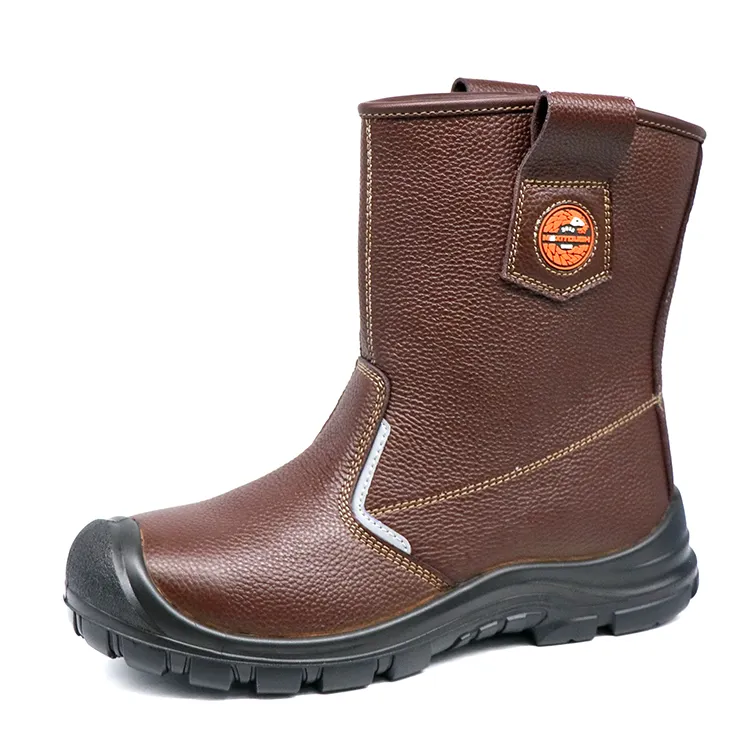
Material selection ultimately determines both the operational lifespan and the defensive capability of industrial footwear. When inspecting safety shoes for men, industry professionals must closely examine upper components—ranging from premium full-grain leather to advanced breathable synthetic microfibers—alongside specialized outsole rubber compounds. High-performance outsoles require an exact balance between durometer hardness and mechanical flexibility to guarantee reliable slip resistance on oily, wet, or uneven floor surfaces. Furthermore, internal elements like anti-puncture textile midsoles demand rigorous technical scrutiny. A comprehensive physical inspection verifies that these protective features meet optimal weight-to-strength ratios, preventing premature wear and tear without causing unnecessary foot fatigue during long, demanding shifts. Evaluating these critical structural details ensures the footwear endures punishing daily use across diverse weather conditions and worksites.
The Hidden Value of Rigorous In-House Testing Protocols
A massive differentiator between standard footwear distributors and elite manufacturers lies in their internal quality assurance infrastructure. Trusted producers do not rely exclusively on basic component checks; instead, they implement comprehensive, aggressive in-house testing regimes that simulate months of extreme wear. Evaluating a manufacturer involves reviewing their testing protocols for sole bending resistance, waterproof membrane integrity, and dynamic impact thresholds. Suppliers that subject their production lines to destructive testing guarantee flawless batch-to-batch consistency from the first pair to the last. This level of technical rigor gives procurement teams absolute confidence that the footwear will perform flawlessly under real-world industrial pressure. Investing time in reviewing these factory testing methodologies drastically reduces operational risks and safeguards corporate bottom lines against premature product failure in the field.
Leveraging Direct Manufacturing Expertise and Supply Chain Strength
Securing a dependable supply of industrial footwear ultimately depends on partnering with established producers who maintain total control over production lines and quality protocols. MaxiTough integrates advanced automated cutting, precision injection molding, and strict batch-testing regimens to ensure every single pair meets rigorous global compliance benchmarks. By overseeing the entire supply chain—from raw material sourcing to final packaging—MaxiTough delivers scalable, reliable safety solutions tailored to diverse industrial environments. Choosing a seasoned manufacturing partner safeguards your workforce while reinforcing corporate commitments to operational excellence, supply chain transparency, and enduring brand trust. Ultimately, collaborating with an industry leader ensures your operations remain backed by superior engineering and uncompromised protective performance.