EN
EN
 AR
AR BG
BG HR
HR CS
CS DA
DA NL
NL FI
FI FR
FR DE
DE EL
EL HI
HI IT
IT JA
JA KO
KO NO
NO PL
PL RO
RO RU
RU ES
ES SV
SV TL
TL ID
ID SR
SR VI
VI HU
HU MT
MT TH
TH TR
TR AF
AF MS
MS GA
GA BN
BN NE
NE
01/06/2026
Pourquoi des chaussures de sécurité légères sont-elles adaptées aux travailleurs des entrepôts de vente au détail
Le demi-marathon quotidien derrière chaque commande au détail
Entrez dans n'importe quel grand entrepôt de vente au détail ou centre de préparation de commandes e-commerce aujourd'hui, et l'ampleur des déplacements humains est tout simplement impressionnante. Le personnel au sol, les préparateurs de commandes et les trieurs ne se contentent pas de rester debout à observer tourner les convoyeurs. Ils parcourent activement les surfaces, tirent des chariots lourds et recherchent des articles en stock sur des surfaces en béton s'étendant facilement sur plusieurs centaines de milliers de mètres carrés. En effet, des suivis réels montrent qu’un membre typique d’une équipe d’entrepôt parcourt entre dix-neuf et vingt-quatre kilomètres par poste de travail. Cela équivaut à environ vingt-cinq mille pas chaque jour, effectués sur des sols en béton durs et impitoyables. Imaginez maintenant enfiler des bottes industrielles classiques en acier sur ces pieds — des chaussures qui pèsent souvent plus de huit cents grammes chacune. Parcourir ce genre de distance épuisante avec un équipement aussi lourd revient à obliger une personne à soulever des milliers de kilogrammes supplémentaires de poids mort pendant une journée de huit heures. Passer à une flotte de chaussures de sécurité légères n’est pas une façon de dorloter la main-d’œuvre ; il s’agit d’une mesure opérationnelle simple visant à maintenir une chaîne logistique moderne en marche, sans friction.
Comment le poids des chaussures perturbe la biomécanique du corps
Le corps humain est une machine extraordinaire, mais il présente des limites bien définies face au stress répétitif quotidien. Du point de vue strictement biomécanique, l’ajout d’un simple poids supplémentaire aux membres inférieurs provoque une augmentation considérable de la dépense énergétique. Pour chaque once (28,35 g) en moins sur une chaussure, le corps économise une quantité notable d’énergie métabolique sur de longues distances. Lorsque les personnes marchent pendant des années avec des bottes lourdes et encombrantes, leurs muscles du tibia, leurs mollets et leur bas du dos doivent fournir un effort accru simplement pour soulever les pieds du sol à chaque pas. Cette surcompensation continue conduit directement à une fatigue physique rapide, à des douleurs chroniques au talon et à des problèmes articulaires à long terme. Les chaussures de sécurité légères transforment entièrement ce scénario en allégeant la charge quotidienne exercée sur le système musculo-squelettique. Lorsque les membres de l’équipe ne sont pas contraints de traîner des chaussures lourdes, leur foulée reste parfaitement naturelle, ils subissent nettement moins de tensions musculaires et n’atteignent pas de « mur physique » en milieu d’après-midi, durant la période de forte activité. Cela permet de maintenir des niveaux de production stables dans l’installation jusqu’à la fin du poste.
Le changement de matériau rendant l’acier lourd obsolète
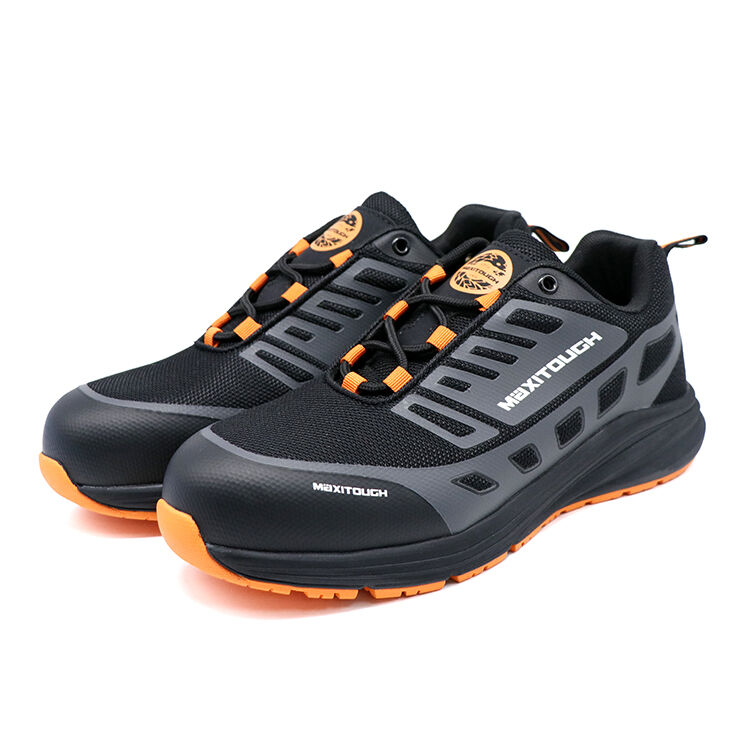
De nombreux responsables des achats et directeurs de la sécurité des entrepôts s’inquiètent encore du fait qu’une chaussure plus légère implique une réduction de la protection brute. Pendant longtemps, la règle non écrite en matière de chaussures industrielles était simple : si elle n’est pas lourde, elle ne peut pas être sûre. Or, les progrès récents des sciences des matériaux ont totalement renversé cette ancienne façon de penser. Les chaussures de sécurité haut de gamme, légères, sont désormais équipées d’embouts de pointe composites avancés fabriqués à partir de fibres de verre ou de carbone de haute qualité. Ces matériaux modernes réduisent le poids de l’embout de pointe d’environ quarante pour cent par rapport à l’acier traditionnel, tout en résistant sans effort à l’énergie d’impact standard de deux cents joules exigée par les normes internationales de sécurité. Les lourdes plaques rigides en acier intégrées dans les semelles sont également remplacées par des couches anti-perforation constituées de tissus tissés à haute résistance mécanique, tels que le Kevlar. Cela assure une protection complète contre les échardes provenant de palettes endommagées et les clous libres, tout en permettant à la chaussure de fléchir et de pivoter naturellement avec le pied, offrant ainsi l’agilité d’une chaussure de course sans aucune concession sur la défense.
Protéger la marge bénéficiaire en prévenant la fatigue des employés
Du point de vue strictement commercial, équiper une équipe d’entrepôt de chaussures de protection légères procure un retour sur investissement considérable qui va bien au-delà du prix d’achat initial. Les organismes spécialisés dans la sécurité au travail soulignent systématiquement que la fatigue physique constitue l’un des principaux facteurs à l’origine des incidents survenant dans les entrepôts, notamment les glissades, les trébuchements et les chutes accidentelles dans les environnements logistiques à rythme soutenu. Lorsque les jambes d’une personne semblent de plomb, ses temps de réaction ralentissent, son appui devient instable, et elle risque nettement plus de trébucher ou de laisser tomber des marchandises de détail précieuses. En adoptant une conception légère afin de prévenir la fatigue physique avant qu’elle ne s’installe, les entreprises constatent une réduction directe des accidents sur le lieu de travail ainsi qu’une baisse marquée des demandes d’indemnisation des travailleurs. Par ailleurs, dans un secteur où recruter et fidéliser des collaborateurs qualifiés représente un défi permanent, fournir un équipement confortable qui permet aux employés de conserver de l’énergie à la fin de la journée renforce le moral et réduit fortement le taux coûteux de rotation du personnel.
Respect des normes mondiales de conformité et d'essais destructifs
Lors de la gestion d’achats à grande échelle pour des opérations commerciales internationales, il est hors de question de négliger les spécifications en matière de sécurité. Pour garantir une fiabilité réelle, les chaussures de sécurité légères doivent subir des protocoles de tests rigoureux et normalisés avant même d’être déployées dans un entrepôt commercial. Selon les référentiels mondiaux tels que les directives européennes EN ISO ou les cadres américains ASTM, ces matériaux légers doivent prouver leur capacité à résister à de fortes charges de compression sans fléchir, ainsi qu’à supporter des milliers de flexions extrêmes sans se fissurer sous pression. Les services achats doivent s’assurer que leurs fournisseurs sont appuyés par des laboratoires indépendants accrédités, capables de valider objectivement les allégations relatives à leurs produits. Une conformité réelle signifie savoir que la construction légère et les fonctionnalités de sécurité robustes fonctionnent parfaitement ensemble, offrant une résistance essentielle au glissement et une protection antistatique qui préservent la sécurité des travailleurs aux alentours des équipements électroniques sensibles utilisés pour le prélèvement.
La puissance manufacturière soutenant les exigences modernes de la main-d'œuvre
Fabriquer une chaussure alliant un confort ultra-léger à une sécurité industrielle inébranlable exige une installation manufacturière sérieuse et une compréhension approfondie des environnements logistiques. MaxiTough consacre depuis plus de dix ans à la maîtrise de ce défi d’ingénierie précis, ayant construit une vaste usine de production de dix mille mètres carrés entièrement dédiée aux équipements de protection avancés. En associant une recherche interne intensive à un système rigoureux de contrôle qualité en trois couches, MaxiTough produit une gamme complète de chaussures de sécurité certifiées CE, ANSI et ISO, conçues pour les entrepôts et les réseaux de distribution soumis à des contraintes élevées. Cette capacité étendue de la chaîne d’approvisionnement garantit aux marques internationales de détail et aux distributeurs grossistes mondiaux des volumes de production réguliers, un soutien logistique fiable et une traçabilité complète par lot de produits. Collaborer avec un fabricant spécialisé tel que MaxiTough permet aux entreprises de bénéficier d'une protection haut de gamme et légère, qui protège leurs employés et optimise leur résultat net.