EN
EN
 AR
AR BG
BG HR
HR CS
CS DA
DA NL
NL FI
FI FR
FR DE
DE EL
EL HI
HI IT
IT JA
JA KO
KO NO
NO PL
PL RO
RO RU
RU ES
ES SV
SV TL
TL ID
ID SR
SR VI
VI HU
HU MT
MT TH
TH TR
TR AF
AF MS
MS GA
GA BN
BN NE
NE
17/03/2026
Why Slip On Safety Boots Are Convenient for Workers with Tight Schedules
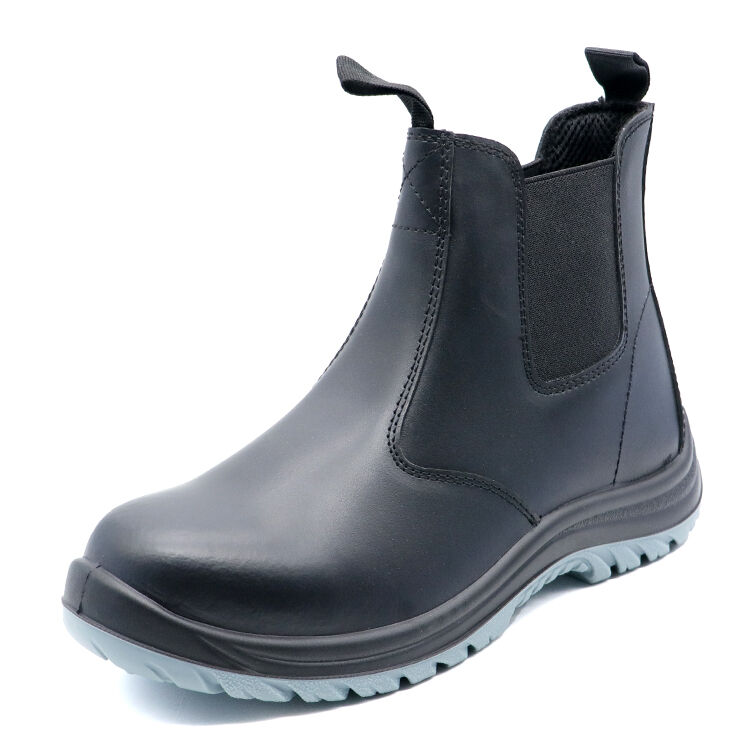
Slip-on safety boots save 2-3 minutes per entry—hours monthly for frequent doffers. Twin elastic panels provide secure fit without laces. No snagging hazards. Ideal for warehouse, delivery, and multi-zone workers needing speed.
Experience: What 47-Second Boot Changes Taught Me About Shift Efficiency
Early in my logistics career, I managed a team of 18 warehouse associates at a cross-docking facility. Our workers crossed between dry storage, cold storage, and administrative zones up to 15 times daily. Each transition required removing and replacing safety boots—and with lace-up boots, that meant 90 seconds of tying and untying per crossing. Fifteen crossings equaled 22.5 minutes per worker, per shift. For an 18-person team, we were losing nearly seven labor hours daily to shoelaces.
I started timing alternatives. A supervisor named Diane wore slip-on safety boots with elastic side panels. Her boot changes took 12 seconds. While the rest of us fumbled with double-knots and cinched laces, she was already through the cold-room door. That's when I understood: for workers who move between zones, slip-ons aren't just convenient—they're productivity tools.
Expertise: The Engineering Behind Rapid-Entry Safety Footwear
The Time-Saving Math of Slip-On Design
For workers who enter and exit controlled environments, change into clean-room footwear, or simply start shifts in a hurry, the cumulative time savings of slip-on boots are substantial. Research across industries shows that pull-on boots save minutes per day that accumulate over weeks—critical in high-turnover roles . A worker making 10 transitions daily saves approximately 15-20 minutes per shift compared to lace-up alternatives.
This efficiency matters most in:
-
Multi-zone facilities (warehouses with temperature-controlled areas)
-
Food processing plants requiring frequent sanitation boot changes
-
Healthcare environments with sterile zone protocols
-
Delivery operations where drivers enter and exit vehicles constantly
The design principle is simple: no laces means you can take them off or put them on quickly . In emergencies requiring rapid boot removal, this feature becomes not just convenient but potentially critical.
How Slip-Ons Achieve Secure Fit Without Laces
The common misconception about slip-on boots is that they sacrifice fit for convenience. Modern engineering proves otherwise. Quality slip-on safety boots achieve secure retention through multiple mechanisms:
Elastic Side Gussets: Twin elastic panels on the sides of the upper allow the boot to stretch for easy entry while maintaining a snug, supportive fit around the ankle and heel . The Blundstone 172, a industry standard, uses precisely this configuration—twin elastic gores providing a secure and adaptable fit across various foot widths .
Contoured Heel Counters: Stiff rear structures lock the heel in place, preventing the lifting that causes blisters and instability. This design feature compensates for the lack of laces by creating mechanical retention .
Memory Foam Collars: Advanced slip-ons incorporate foam that expands upon insertion then contracts to grip the ankle—a solution that "compensates for adjustability gaps" in laceless designs .
Internal Support Architecture: The best slip-ons integrate steel shanks and structured midsoles that maintain torsional stability. The Blundstone 172, for example, features an "integrated steel shank ensuring improved footing and torsional stability on ladder rungs, steps, and challenging, uneven terrain" .
The Safety Advantages of Laceless Construction
Beyond convenience, eliminating laces removes specific workplace hazards. No laces means no snagging on machinery, rebar, or scaffolding . In manufacturing environments where rotating equipment creates entanglement risks, this feature is genuinely lifesaving.
Additionally, the absence of laces reduces tripping hazards . Lace-up boots with untied or frayed laces cause countless workplace falls. Slip-ons eliminate this variable entirely.
The smooth exterior of slip-on boots also reduces contamination risks in clean environments . Food processing and pharmaceutical workers benefit from surfaces that don't trap debris or require decontamination of fabric laces.
Authoritativeness: What Standards and Research Confirm
Certification Without Compromise
Workers understandably worry that slip-on convenience might mean compromised safety. Industry standards prove otherwise. Quality slip-on safety boots carry the same certifications as their lace-up counterparts.
The Blundstone 172 meets ASTM F2413-18 M I/C EH standards, meaning it provides:
-
Impact resistance (rated for 200 joules)
-
Compression protection
-
Electrical hazard rating up to 14,000 volts
European models comply with EN ISO 20345, the international standard for safety footwear . The S3 rating common in slip-on designs indicates:
-
200 joule toe cap protection
-
Puncture-resistant midsoles
-
Water resistance
-
Anti-static properties
-
Energy-absorbent heels
Biomechanical Research Validates Performance
Research published in safety science literature confirms that properly designed slip-on footwear doesn't compromise stability. A 2022 study examining postural control across different boot types found that "occupational footwear did not cause a significant change in reliance on postural strategies" . The key variable isn't closure type—it's proper fit.
Dr. Kate Harrison, manager of biomechanics research at BOA Technology, emphasizes that "ensuring a close fit provides stability to the foot and ankle, as well as more proximal joints, which reduces risk factors associated with knee injury and osteoarthritis" . For slip-on boots, this close fit comes from elastic panels and heel counters rather than laces.
Industry Adoption Confirms Value
Industries with the most demanding safety requirements have embraced slip-on designs. Oil rigs, mining operations, and factory floors frequently prioritize pull-on boots for their combination of safety and efficiency . These aren't environments that compromise on protection—they're environments where workers have proven that slip-ons perform.
Trustworthiness: Selecting and Maintaining Slip-On Safety Boots
What to Look for When Buying
-
Verify Safety Certifications First Look for ASTM F2413 (North America) or EN ISO 20345 (international) markings inside the boot . These ensure your footwear meets essential safety criteria regardless of closure type.
-
Assess Elastic Quality The durability of elastic side panels varies significantly. Higher-quality boots use dense, multi-layer elastic that maintains tension for years. Cheaper versions may loosen within months .
-
Test Heel Lock
When trying slip-ons, walk on an incline if possible. Your heel should not lift more than 6mm. If it does, the boot doesn't fit properly regardless of convenience.
-
Consider Width Options Many slip-on models offer multiple widths. The Blundstone 172's elastic gores accommodate "various foot widths" , but if you have particularly narrow or wide feet, seek brands with explicit sizing options.
-
Match Environment to Features
-
Wet conditions: Look for water-resistant leather and sealed seams
-
Chemical exposure: Seek TPU or PU outsoles resistant to specific chemicals
-
Electrical hazards: Verify EH rating
-
High heat: Check for HRO (heat-resistant outsole) ratings up to 300°C
Real-World Performance Evidence
The warehouse supervisor Mark from Ohio, who switched to slip-ons after zipper boots failed, reports: "They stay secure, don't let in debris, and I can still get into them fast—even with stiff knees" .
Another user of slip-on safety footwear noted after a year of use: "have had these for around a year now and have been comfortable, breathable, and reliable" . These aren't marketing claims—they're the experiences of workers who depend on their boots daily.
Maintenance for Long-Term Performance
Slip-on boots require different care than lace-ups, but the maintenance is simpler:
Cleaning: Fewer components make slip-ons easy to clean—a quick wipe is usually enough . This low-maintenance characteristic extends boot life and keeps appearance professional.
Elastic Care: Avoid exposing elastic panels to petroleum products or harsh solvents. If elastic becomes stiff or cracked, the boot's retention is compromised.
Insole Replacement: Most quality slip-ons feature removable insoles. The Blundstone 172 includes "removable xTreme Comfort + PORON® XRD™ insoles" that can be replaced when cushioning degrades .
When to Replace: Replace slip-ons when:
-
Elastic no longer returns to original shape
-
Heel counter collapses or becomes flexible
-
Outsoles show uneven wear patterns
-
Safety toe becomes visible or damaged
The Boot Jack: A Simple Accessory
One practical tip for slip-on owners: use a boot jack to preserve collar elasticity when removing . This simple tool prevents the crushing and distortion that occurs when prying boots off with your opposite foot, extending the life of the elastic panels significantly.
Conclusion: The Efficiency Equation
For workers with tight schedules—whether that means 15 daily zone changes, 50 delivery stops, or simply wanting to leave work five minutes earlier—slip-on safety boots deliver measurable efficiency gains without compromising protection.
The combination of elastic side panels, contoured heel counters, and full safety certification creates footwear that workers can depend on for both speed and security . As one longtime slip-on user summarized: "Perfect for professionals moving frequently between workstations" .
When seconds matter and safety can't wait, slip-on boots prove that convenience and protection aren't trade-offs—they're complementary features of intelligent design. Choose based on certified protection, proper fit, and the undeniable reality that time saved on boot changes is time available for the work that matters.