EN
EN
 AR
AR BG
BG HR
HR CS
CS DA
DA NL
NL FI
FI FR
FR DE
DE EL
EL HI
HI IT
IT JA
JA KO
KO NO
NO PL
PL RO
RO RU
RU ES
ES SV
SV TL
TL ID
ID SR
SR VI
VI HU
HU MT
MT TH
TH TR
TR AF
AF MS
MS GA
GA BN
BN NE
NE
16/12/2025
What Makes Lightweight Safety Shoes Popular Among Long-Shift Workers
Long shifts are tough enough to begin with, so why have workers felt like they are dragging giant blocks with them throughout an entire shift? For those in the industry that demand having your feet constantly moving like logistics, healthcare, manufacturing, or retail, workers perform to the best of their ability when they have the light work boots that give them the freedom to move throughout their entire shift. This complete shift away from heavy, rigid work boots that have been industry standard to lightweight work boots is not just a few forward thinking workers, but is a complete revolution in the industry. The revolution is for the sake of comfort so workers can perform at their best, fatigue is eliminated, workers are able to move more freely, and their overall well-being is improved. Lightweight work boots are the industry standard revolutionary choice.
Benefits of Less Fatigue With Lightweight Design
It is easier to understand the advantages of lightweight safety footwear when considering the fundamentals of physics. The notion of 'unsprung mass' from automotive engineering is particularly relevant here. Lower energy is needed to lift lightweight objects repetitively over a long period. The energy required to lift a heavy boot with each step taken over the course of a long shift is significant. The lower energy cost with lightweight boots is a considerable advantage. With more energy spent on lifting heavy boots, tiredness is more likely to set in the legs, hips, and lower back. Thanks to new materials, safety footwear products cut weight by over thirty percent, and will therefore save more energy. Modern safety footwear use engineered polymer materials, composite safety toes instead of steel, and optimized designs to save weight. The goal is to utilize high sophistication engineering to maintain the strength and protective elements of a safety boot without redundant mass. The legs will feel considerably less tired, more energy will be left, and the potential for tiredness and injury from muscles overworking will be reduced.
Improved Movement and Daily Convenient Footwear
Shoes that weigh less are usually more flexible as well. Flexibility results in better mobility and more natural foot movement. Lightweight safety shoes are less restrictive and offer a better range of motion. This can be a more safety feature allowing for quicker movement to avoid potential accidents. In addition, the level of comfort in these shoes are incredible. These comfort shoes typically have a breathable and advanced mesh lining, arch supporting footbeds, and cushioning insoles made of foam or gel, or a combination of both. No blisters or discomfort results from better breathability, as it keeps the feet cooler and drier. These shoes create a comfort that workers would not have to fight against to wear, allowing them to concentrate better on their workloads and avoid feet pain.
Meeting Safety Standards Without the Bulk
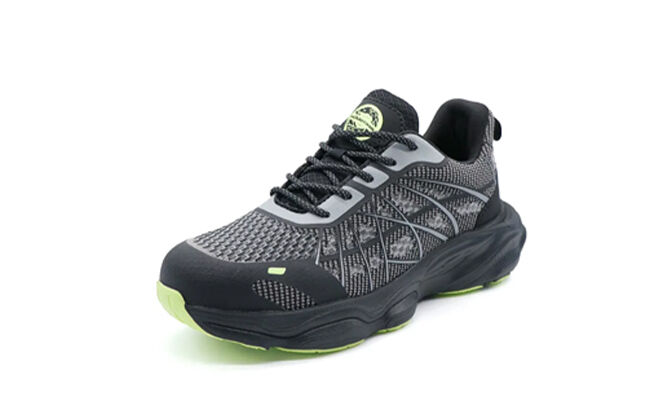
Many individuals think that lighter shoes equate to lesser safety, but this is not the case with reputable manufacturers. Modern lightweight safety shoes meet the same toe-impact, slip-resistance, and electrical hazard protection safety standards as the heavier shoes. The difference is the materials. Composite toe caps are made from fiberglass or plastic polymers and are more protective than steel while also being lighter and not temperature conductive (i.e. good in cold storage and hot environments). Outsoles from advanced rubber compounds remain lightweight, flexible, and provide exceptional grip. Fuller protection is given with lightweight, ultra thin materials like Kevlar that are used in puncture resistant plates. With alive materials like these, the shoes feel far more like high-performance athletic shoes than old fashioned armor, allowing the physical ease and safety workers need
The Long-Term Benefit: Health and Job Satisfaction
Lightweight safety shoes help employees physically and relieve pain and discomfort from being on your feet all day. Workers notice and appreciate the benefits of the safety shoes. Workers are getting better overall musculoskeletal health, fewer chronic aches, and higher job satisfaction. When footwear does not cause pain, employees can improve on the attitude and motivation toward the work itself. Reduced absenteeism leads to higher productivity and job efficiency. An employee who is less fatigued is more focused and is likely to make fewer mistakes. The modern and more aesthetic design of lightweight safety shoes is appreciated by workers in customer-facing roles. There is a balance of looking professional and wearing safety footwear. Improved safety, comfort, health, and even style of shoes illustrates why lightweight safety shoes are a lasting shift in what long-shift workers demand from their essential gear.
Lightweight safety shoes are a response to workplace needs. Walking long distances can take a physical toll on a worker's body. Wearing shoes with proper support are essential to maintaining a healthy and happy employee and improving their efficiency. It is a worthwhile investment. There's no doubt that employees are on their feet for long hours. More employees than ever should be wearing shoes that support their feet. Getting proper support is essential for the employee's physical well-being. Removing safety footwear should never be the answer.