EN
EN
 AR
AR BG
BG HR
HR CS
CS DA
DA NL
NL FI
FI FR
FR DE
DE EL
EL HI
HI IT
IT JA
JA KO
KO NO
NO PL
PL RO
RO RU
RU ES
ES SV
SV TL
TL ID
ID SR
SR VI
VI HU
HU MT
MT TH
TH TR
TR AF
AF MS
MS GA
GA BN
BN NE
NE
14/04/2025
Non-Slip Steel Toe Boots: Essential for Wet Job Safety
The Critical Role of Non-Slip Steel Toe Boots in Wet Environments
Preventing Slips and Falls on Slippery Surfaces
Non-slip steel toe boots are specifically engineered to prevent slips and falls in wet environments by providing superior grip on slippery surfaces. The unique tread patterns on these boots enhance traction, significantly reducing the risk of workplace injuries due to slipping. Research indicates that slips and falls account for a substantial percentage of workplace injuries, making reliable footwear essential. By providing excellent grip, non-slip boots help create a safer working environment.
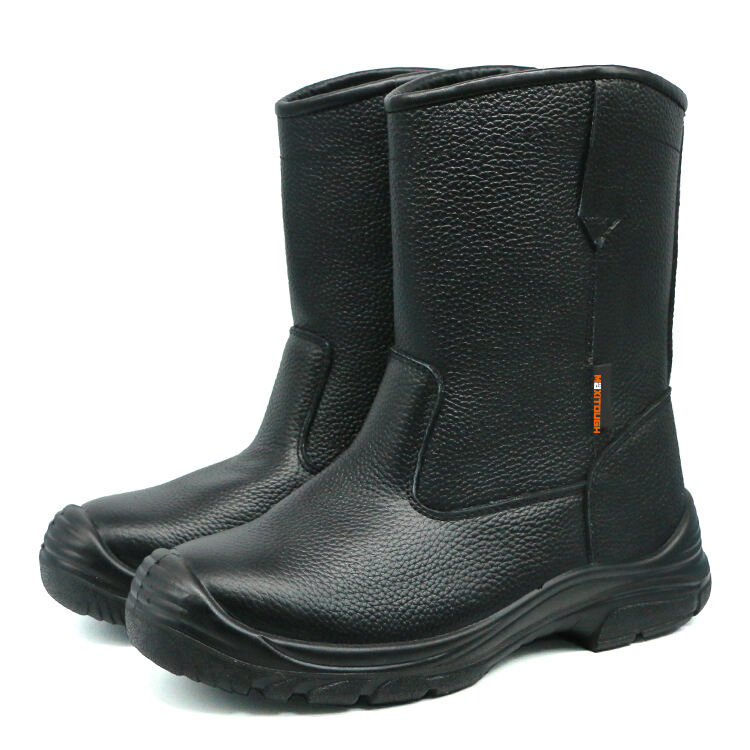
Combining Impact Protection with Traction
Steel toe caps provide crucial protection against impact and compression, a necessity in hazardous work environments. Combining this with slip-resistant features ensures that workers remain safe and confident, even in wet conditions. Statistics show a decrease in workers' compensation claims related to foot injuries when proper protective footwear is used. With these boots, one can achieve both impact protection and the traction needed for incident-free workdays.
Key Features of Effective Non-Slip Steel Toe Work Boots
Advanced Outsole Materials and Tread Patterns
Advanced outsole materials and tread patterns are vital for enhancing grip and durability in non-slip steel toe work boots. Innovative technologies, including rubber compounds and specialized tread designs, are essential for maximizing slip resistance on wet surfaces. Options that utilize advanced materials ensure not only improved traction but also provide additional protection, aiding workers in navigating demanding environments safely. Choosing boots with these effective design elements is crucial for any worker requiring reliable footing and safety.
Waterproof Safety Toe Boot Construction
The effectiveness of waterproof safety toe boots lies in their construction, which crucially protects feet from moisture. Techniques like incorporating Gore-Tex linings or rubber uppers are prominent methods that keep the feet dry and safe in wet conditions. Keeping feet dry is not only a comfort issue but a significant safety factor as wet feet can increase the risk of slipping. Industry research highlights that waterproof designs significantly enhance the longevity and functionality of work boots, making them a worthy consideration for professionals in moist environments.
Ergonomic Design for Enhanced Stability
An ergonomic design is central to enhancing stability in work boots, ensuring the comfort and support of the feet and legs. This involves features such as arch support, cushioned insoles, and adequate heel height, all contributing to minimizing fatigue and improving overall stability during long working hours. Moreover, experts recommend conducting thorough loading tests to ensure that the boots maintain stability under varied work conditions. Such a design not only supports worker safety but also boosts performance by reducing strain and discomfort.
Understanding Safety Ratings and Certifications
ASTM Standards for Slip Resistance
The ASTM (American Society for Testing and Materials) standards offer vital benchmarks for slip resistance in footwear. These standards are critical because they allow workers to make informed choices about the safety of their boots. By ensuring that the boots meet ASTM certifications, consumers gain a level of credibility and assurance, knowing their footwear is designed to minimize the risk of slips and falls. This can be especially crucial in environments like kitchens or healthcare facilities, where wet surfaces are common, and the right boot can make all the difference.
Electrical Hazard Protection Considerations
Steel toe boots often integrate electrical hazard protection to safeguard against unexpected contact with live electrical circuits. Understanding these protective categories is essential for workers in electrical environments to ensure adequate safety. Industry experts strongly advise verifying safety certifications before purchasing to confirm a boot's capability to handle electrical hazards effectively. Such considerations are not merely additional features but vital safety components that must be prioritized, especially in high-risk settings. Proper electrical hazard protection in boots serves as a line of defense, enhancing overall work safety by decreasing the chances of accidents related to electrical currents.
Lightweight Safety Toe Shoes for All-Day Comfort
Balancing Protection with Weight Reduction
Lightweight safety toe shoes are specifically designed to minimize fatigue for workers without compromising essential safety features. These shoes use cutting-edge materials and innovative designs that enhance comfort, even during long work hours. With industries striving for higher efficiency, adopting footwear that alleviates fatigue becomes crucial. Industry studies have shown that workers utilizing lightweight safety toe shoes experience significantly less fatigue. This reduction in weariness translates to increased productivity and overall job performance. By integrating modern technology, these shoes provide both safety and comfort, making them an ideal choice for all-day wear in various professional settings.