EN
EN
 AR
AR BG
BG HR
HR CS
CS DA
DA NL
NL FI
FI FR
FR DE
DE EL
EL HI
HI IT
IT JA
JA KO
KO NO
NO PL
PL RO
RO RU
RU ES
ES SV
SV TL
TL ID
ID SR
SR VI
VI HU
HU MT
MT TH
TH TR
TR AF
AF MS
MS GA
GA BN
BN NE
NE
25/12/2025
วิธีเลือกรองเท้าหัวเหล็กสำบุรุษที่เหมาะกับรูปเท้าต่างๆ
การหางานคู่รองเท้าบูทที่สมบูรณ์แบบนั้นคล้ายกับการหางานเครื่องมือที่ดี – มันต้องน่าเชื่อใจ ทนทาน และรู้สึกเหมือนเป็นส่วนต่อขยายของร่างกายคุณเอง สำผู้ชายหลายคนที่ทำงานในสาขาช่างและอุตสาหกรรม รองเท้าบูทหัวเหล็กสำบุสุชาย ไม่ใช่แค่เครื่องนุ่งห่มเท้า แต่เป็นอุปกรณ์ความปลอดภัยที่จำเป็นอย่างยิ่ง แต่หนึ่งในความท้าทายที่ยิ่งใหญ่ที่สุดไม่ใช่แค้การหาบูทที่ผ่านมาตรฐานความปลอดภัย – แต่คือการหาบูทที่พอดีกับรูปเท้าที่เป็นเอกลักษณ์ของคุณ รองเท้าบูทหัวเหล็กที่ไม่เข้ารูปอาจทำให้เกิดตุ่มพอง เท้าล้า และแม้กระทั่งลดระดับความปลอดภัย มาดูกันว่าควรมีข้อพิจารณาอะไรเมื่อเลือกรองเท้าบูทหัวเหล็กที่เหมาะกับรูปเท้าต่างๆ เพื่่อความปลอดภัยและความสบายตลอดวัน
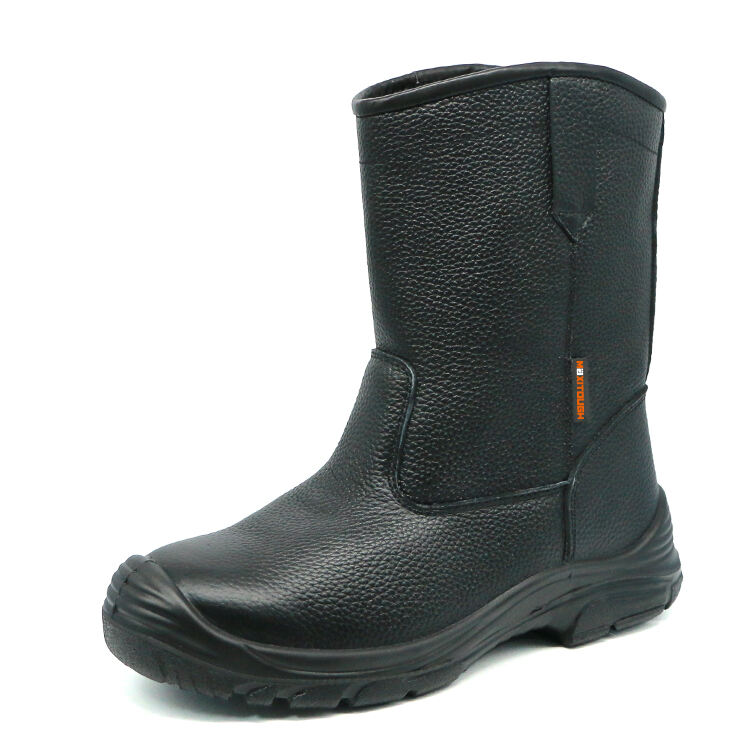
เข้าใจรูปเท้าและประเภทของส้นเท้าคุณ
การเดินทางสู่การได้รับขนาดที่เหมาะสมเริ่มต้นด้วยการเข้าใจสิ่งที่คุณมี เท้าไม่ใช่แบบที่หนึ่งขนาดเหมาะกับทุกคน เท้าแต่ละคนแตกต่างอย่างมากในด้านความกว้าง ปริมาตร ความสูงของอุ้งเท้า และการแพร่กระจายของนิ้วเท้า ก่อนที่คุณเริ่มมองหาบูท ควรใช้เวลาสั้นๆ เพื่อประเมินเท้าของคุณ วิธีที่ง่ายคือ "การทดสอบเปียก": ทำเท้าของคุณเปียก แล้วเหยียบลงบนแผ่นกระดาษลัง ร่องรอยที่เกิดขึ้นจะแสดงประเภทของอุ้งเท้าคุณ — ร่องรอยที่เต็มและชัดทั้งหมดบ่งบอกว่าอุ้งเท้าต่ำ (เท้าแบน) ร่องรอยที่มีส่วนแคบเชื่อมระหว่างส้นเท้าและส่วนหน้าของเท้าบ่งบอกว่าอุ้งเท้าสูง และร่องรอยที่โค้งปานกลางบ่งบอกว่าอุ้งเท้าเป็นกลาง
สิ่งนี้มีความสำคัญสำหรับ รองเท้าบูทหัวเหล็กสำบุสุชาย เนื่องจากการรองรับด้านในต้องสอดคล้องกับรูปทรงอุ้งเท้าของคุณ บุคคลที่มีเท้าแบนจะต้องใช้รองเท้าบู๊ตที่มีการรองรับอุ้งเท้าอย่างมั่นคง และมักต้องใช้แบบพื้นรองเท้า (last) ที่ตรงกว่า (รูปแบบที่ใช้ขึ้นรูปรองเท้าบู๊ต) เพื่อควบคุมการพลิกเข้าด้านในของเท้ามากเกินไป ในขณะที่ผู้ที่มีอุ้งเท้าสูงจะต้องใช้รองเท้าบู๊ตที่มีการรองรับแรงกระแทกอย่างเพียงพอ เนื่องจากเท้าที่มีอุ้งเท้าสูงมักจะแข็งและไม่สามารถดูดซับแรงกระแทกได้ดี ผู้ผลิตรองเท้าบู๊ตชั้นนำหลายรายออกแบบรุ่นเฉพาะหรือมีตัวเลือกแบบพื้นรองเท้าที่แตกต่างกันเพื่อรองรับความแตกต่างเหล่านี้ การรู้ประเภทอุ้งเท้าของคุณจะช่วยให้คุณเลือกรองเท้าบู๊ตที่ถูกออกแบบมาเพื่อตอบสนองความต้องการในการรองรับพื้นฐานของคุณได้อย่างเหมาะสม
การตีความความกว้างและความจุของรองเท้าบู๊ตเพื่อให้ได้ขนาดที่แน่นพอดี
ความยาวเป็นเพียงตัวเลขแรก ส่วนความกว้างและความจุคือสิ่งสำคัญที่ทำให้พอดีจริงๆ รองเท้าบู๊ตที่มีความยาวพอดีแต่แคบเกินไปจะรัดเท้าของคุณ ทำให้เกิดอาการเจ็บปวดและจำกัดการไหลเวียนของเลือด โดยเฉพาะบริเวณหัวแม่เหล็กเหล็กที่ใช้ป้องกัน ส่วนรองเท้าบู๊ตที่กว้างเกินไปจะทำให้เท้าของคุณลื่นไถลภายในรองเท้า ก่อให้เกิดแรงเสียดสีและการทรงตัวที่ไม่มั่นคง
คุณภาพ รองเท้าบูทหัวเหล็กสำบุสุชาย มักมีให้เลือกหลายขนาดความกว้างนอกเหนือจากขนาดมาตรฐาน (D) โดยควรเลือกแบรนด์ที่มีความกว้าง (EE, EEE) หรือแม้แต่ความแคบเป็นพิเศษ ปริมาตรหมายถึงพื้นที่แนวตั้งภายในรองเท้าบู๊ต หรือระยะความสูงจากพื้นด้านในไปยังด้านบนของช่องวางเท้า ผู้ชายที่มีเท้าปริมาตรสูง (มักเกิดจากส่วนโค้งอุ้งเท้าสูงหรือกล้ามเนื้อน่องใหญ่) จำเป็นต้องใช้รองเท้าบู๊ตที่มีส่วนบนกว้างขึ้น เพื่อไม่ให้กดทับด้านบนของเท้า การออกแบบลิ้นรองเท้าเป็นส่วนหนึ่งของเรื่องนี้ โดยลิ้นรองเท้าแบบเย็บต่อขอบ (gusseted) หรือแบบบุนวมที่ต่อเชื่อมกับด้านข้างจะรองรับเท้าปริมาตรสูงได้ดีกว่าลิ้นบางๆ ที่แยกออกจากกัน เมื่อลองสวมรองเท้าบู๊ต ควรสังเกตจุดที่เกิดแรงกดบริเวณส่วนกว้างที่สุดของเท้า (ส่วนหัวแม่เท้า) และบริเวณสันเท้า ควรรู้สึกกระชับพอดี ไม่รัดแน่นจนเจ็บ และส้นเท้าควรล็อกอยู่กับที่โดยไม่ยกขึ้นเมื่อเดิน
บทบาทสำคัญของรูปร่างและขนาดช่องนิ้วเท้า
นี่คือหัวใจสำคัญของรองเท้าบูตหัวเหล็ก พื้นที่ช่องนิ้วเท้าจะต้องมีพื้นที่เพียงพอสำหรับนิ้วเท้าของคุณและแผ่นป้องกันหัวเหล็กหรือวัสดุคอมโพสิต โดยไม่รู้สึกอึดอัด ความผิดพลาดทั่วไปคือการเลือกขนาดที่รู้สึกแน่นในช่องนิ้วเท้า โดยคิดว่าจะยืดออกได้ ซึ่งอาจเป็นอันตรายและไม่สบาย เพราะแผ่นนิ้วเท้าที่เป็นวัสดุแข็งจะไม่ยืดหรือคลายตัว
เมื่อลองสวม รองเท้าบูทหัวเหล็กสำบุสุชาย คุณควรสามารถขยับนิ้วเท้าทั้งหมดได้อย่างอิสระ มีระยะห่างประมาณความกว้างของนิ้วหัวแม่มือ (โดยประมาณครึ่งนิ้วถึงหนึ่งนิ้ว) ระหว่างนิ้วเท้าที่ยาวที่สุดกับปลายของรองเท้าบู๊ต ระยะนี้มีความสำคัญเพื่อรองรับการบวมของเท้าที่เกิดขึ้นในช่วงวันทำงานยาว และเพื่อสวมถุงเท้าทำงานที่เหมาะสม รูปร่างของช่องนิ้วเท้า (toe box) ก็มีความสำคัญเท่ากับระยะห่างนี้ รองเท้าบู๊ตบางรุ่นมีรูปร่างกลมและเป็นลักษณะสรีระที่ช่วยให้นิ้วเท้าวางอย่างเป็นธรรมชาติ ในขณะที่รุ่นอื่นอาจมีรูปร่างที่แคบขึ้น หากคุณมีส่วนหน้าเท้ากว้างหรือการแพร่กระจายของนิ้วเท้าในรูปสี่เหลี่ยม ควรเลือกรองเท้าบู๊ตที่ระบุชัดเจนว่ามี toe box กว้างหรือมีพื้นที่กว้าง จุดประสงค์คือเพื่อให่ส่วนเหล็กป้องกัน (steel cap) ปกป้องนิ้วเท้าโดยไม่สัมผะนิ้วเท้าในระหว่างการเคลื่อนไหว ยืน หรือย่องปกติ การมี toe box ที่มีขนาดเหมาะสมจะรับประกันว่าคุณสมบัติเพื่อความปลอดภัยทำงานตามจุดประสงค์โดยไม่ก่อปัญหาความไม่สบายใหม่
การเลือกคุณสมบัติที่เพิ่มประสิทธิ์ในการพอดีและฟังก์ชัน
นอกเหนือจากรูปแบบพื้นฐานและขนาด รองเท้าบู๊ตยุคใหม่ รองเท้าบูทหัวเหล็กสำบุสุชาย มาพร้อมกับคุณสมบัติที่สามารถปรับการพอดให้เหมาะสมกับรูปเท้าต่างๆ และความต้องการของงานที่แตกต่าง ระบบการผูกเชือกเป็นตัวอย่างเด่นหนึ่ง รองเท้าบูทแบบผูกเชือกแบบดั้งเดิมเสนอการพอดที่สามารถปรับแต่งมากที่สุด ทำให้คุณสามารถปรับระดับความตึงในโซนต่างๆ เช่น หลวมกว่าที่ส่วนอุ้งเท้า แน่นกว่าที่ข้อเท้า บางรุ่นของรองเท้าบูทมีตะขอสำหรับผูกเชือกแบบเร็ว หรือแม้กระทั่งระบบหมุนแบบ BOA สำหรับการปรับระดับความตึงอย่างรวด่วนและละเอียด
พื้นด้านในเป็นอีกองค์ประกอบที่สำคัญ รองเท้าบูทหลายคู่มาพร้อมกับพื้นด้านในที่สามารถถอดออกและมีการบุนุ่ม สำผู้ชายที่มีความต้องการเฉพาะในส่วนของส้นเท้า สามารถเปลี่ยนพื้นด้านในเหล่านี้ด้วยแผ่นรองเท้าสรีรูปศาสตร์ที่สั่งทำหรือซื้อสำเร็จรูป ทำให้รองเท้าบูทธรรมดาเปลี่ยนเป็นระบบการรองรับที่สมบูรณ์แบบ ควรเลือกรองเท้าบูทที่มีพื้นด้านในแบบถอดออก เนื่องจะให้ความยืดหยุ่นนี้ นอกจากนั้น ควรพิจารณาระดับความยืดหยุ่นและช่วงปรับตัวของรองเท้าบูท รองเท้าบูทที่แข็งมากเกินอาจไม่สามารถปรับรูปร่างให้พอด้วยเท้าของคุณ หนังคุณภาพดีหรือวัสดุขั้นสูงจะนุ่มและปรับรูปร่างให้พอด้วยเท้าคุณตามเวลา แต่ไม่ควรมีความแข็งที่ทำให้รู้สึกเจ็บตั้งแต่เริ่มใช้ การลองสวมรองเท้าบูทในช่วงบ่ายเมื่อเท้าบวมตามธรรมชาติเล็กนิด จะช่วยให้คุณรู้สึกอย่างแม่นยำว่าจะรู้สึกเช่นใดเมื่อใช้ในช่วงการทำงานจริง
การเลือกที่เหมาะสม รองเท้าบูทหัวเหล็กสำบุสุชาย คือการลงทุนเพื่อความปลอดภัย ความสบาย และสุขภาพเท้าในระยะยาว ซึ่งต้องการการพิจารณาที่ลึกยิ่งกว่าแค่ขนาดรองเท้า แต่ต้องเข้าใจรูปร่างของเท้าคุณอย่างแท้จริง และวิธีที่โครงสร้างของบูทสามารถรองรับรูปเท้านั้นอย่างเหมาะสม โดยให้เน้นด้านการรองรับส้นเท้า ความกว้างและความสูงของบูท รูปทรงของช่องนิ้วเท้า และคุณสมบัติที่สามารถปรับได้ คุณจะสามารถเลือกบูทที่ไม่เพียงแค่เหมาะกับลักษณะงานของคุณ แต่เหมาะกับคุณโดยส่วนตัว คู่ที่เหมาะสมจะรู้สึกมั่นคงและให้การรองรับตั้งแต้ก้าวแรกยามเช้าจนถึงก้าวสุดท้ายของกะทำงาน ทำให้คุณสามารถมุ่งเน้นไปที่งาน ไม่ต้องกังวลเกี่ยวกับเท้าของตัวเอง