EN
EN
 AR
AR BG
BG HR
HR CS
CS DA
DA NL
NL FI
FI FR
FR DE
DE EL
EL HI
HI IT
IT JA
JA KO
KO NO
NO PL
PL RO
RO RU
RU ES
ES SV
SV TL
TL ID
ID SR
SR VI
VI HU
HU MT
MT TH
TH TR
TR AF
AF MS
MS GA
GA BN
BN NE
NE
20/04/2026
लॉजिस्टिक्स में कॉम्पोजिट टो शूज़ पहनने के क्या लाभ हैं
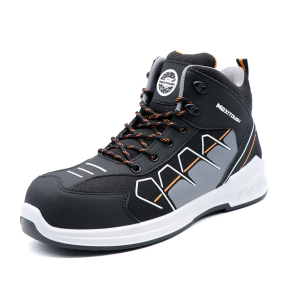
लॉजिस्टिक्स की तेज़ गति वाली दुनिया में, कर्मचारी लगातार गति में रहते हैं—विशाल भंडारों, लोडिंग डॉक्स और सॉर्टिंग सुविधाओं के माध्यम से नेविगेट करते हुए। यद्यपि सुरक्षा सर्वोच्च प्राथमिकता है, पारंपरिक भारी स्टील-टोड बूट को अब एक अधिक उन्नत विकल्प द्वारा प्रतिस्थापित किया जा रहा है: कॉम्पोजिट टो वाले जूते .
कार्बन फाइबर, फाइबरग्लास, केवलार या प्लास्टिक जैसी गैर-धात्विक सामग्रियों के मिश्रण से निर्मित, कॉम्पोजिट टो फुटवियर आपूर्ति श्रृंखला उद्योग की विशिष्ट आवश्यकताओं के अनुरूप एक विशिष्ट लाभों का सेट प्रदान करता है। यहाँ लॉजिस्टिक्स पेशेवरों के लिए कॉम्पोजिट सुरक्षा को वरीयता के विकल्प के रूप में अपनाए जाने के कारणों पर एक विशेषज्ञ विश्लेषण दिया गया है।
1. हल्कापन, चुस्ती और थकान कम करना
लॉजिस्टिक्स कर्मचारियों के लिए प्राथमिक चुनौती एक शिफ्ट के दौरान उठाए गए कदमों की विशाल संख्या है। एक पिकर या पैकर के लिए दिन में 10 से 15 मील चलना असामान्य नहीं है।
विशेषज्ञता: जूते पर प्रत्येक औंस का वजन गति की चयापचय लागत को बढ़ाता है। कॉम्पोजिट टो आमतौर पर 30% से 50% हल्के होते हैं स्टील के टू-टॉप्स की तुलना में। पैर के "स्विंग वेट" को कम करके, ये जूते हिप फ्लेक्सर्स और निचली पीठ पर तनाव को काफी कम कर देते हैं।
"मेरे डिस्ट्रीब्यूशन सेंटर्स के प्रबंधन के अनुभव में, सुरक्षा उपकरणों से संबंधित सबसे बड़ी शिकायत वजन-संबंधित थकान की होती है। जब हमने अपने फ्लोर स्टाफ को कॉम्पोजिट टू-टॉप फुटवियर पर स्विच कराया, तो हमने 'शिफ्ट के अंत' पर झुकाव में मापने योग्य कमी और पिकिंग दरों में हल्की लेकिन निरंतर वृद्धि देखी।" — लॉजिस्टिक्स ऑपरेशन्स कंसल्टेंट।
2. सीमलेस सुरक्षा मंजूरी
कई आधुनिक लॉजिस्टिक्स हब, विशेष रूप से वे जो उच्च-मूल्य वाले इलेक्ट्रॉनिक्स या अंतर्राष्ट्रीय एयर फ्रेट को संभालते हैं, चोरी रोकने और साइट सुरक्षा सुनिश्चित करने के लिए प्रवेश और निकास बिंदुओं पर धातु का पता लगाने वाले उपकरणों का उपयोग करते हैं।
-
व्यावहारिक लाभ: क्योंकि कॉम्पोजिट टू-टॉप जूते 100% गैर-धातु होते हैं, इसलिए ये "सुरक्षा-अनुकूल" हैं। कर्मचारी धातु का पता लगाने वाले उपकरणों या वैंड्स से बिना अलार्म ट्रिगर किए गुजर सकते हैं।
-
दक्षता प्रभाव: सैकड़ों कर्मचारियों वाली सुविधा के लिए, प्रत्येक ब्रेक या शिफ्ट परिवर्तन के दौरान कर्मचारियों द्वारा अपने जूते उतारने की आवश्यकता को समाप्त करने से प्रति वर्ष हज़ारों मानव-घंटे बचत होती है और सुरक्षा चेकपॉइंट्स पर जलन कम होती है।
3. उत्कृष्ट तापीय नियमन
लॉजिस्टिक्स वातावरण में तापमान नियंत्रण लगभग कभी नहीं होता है। कर्मचारी अक्सर शीतित "कोल्ड चेन" खंडों और तीव्र गर्मी वाले लोडिंग डॉक्स के बीच आवागमन करते हैं।
इन्सुलेशन का विज्ञान: * इस्पात एक प्राकृतिक चालक है; यह ठंड में पैरों से ऊष्मा को दूर खींचता है और गर्मियों में बाहरी ऊष्मा को अंगुलियों में विकिरित करता है।
-
मिश्रित सामग्री तापीय इन्सुलेटर हैं। वे वॉक-इन फ्रीज़र में ठंडे नहीं होते हैं, न ही धूप में गर्म हुए टारमैक पर खड़े होने पर गर्म होते हैं। यह जूते के आंतरिक "सूक्ष्म-जलवायु" को स्थिर रखता है, जिससे सर्दियों में अंगुलियों का सुन्न होना या गर्मियों में छाले पड़ना रोका जाता है।
4. विद्युत खतरे की सुरक्षा
गोदाम में सुरक्षा केवल गिरते हुए पैलेट्स तक ही सीमित नहीं है; यह कन्वेयर प्रणालियों, स्वचालित मार्गदर्शित वाहनों (AGVs) और चार्जिंग स्टेशनों से उत्पन्न विद्युत जोखिमों के बारे में भी है।
-
अचालक गुण: चूँकि संयोजित अंगूठे में कोई धातु नहीं होती है, इसलिए वे विद्युत का संचालन नहीं करते हैं। अधिकांश संयोजित जूते 'विद्युत खतरा (EH)' विद्युत खतरा (EH) सुरक्षा के लिए प्रमाणित होते हैं, जो उन कर्मचारियों के लिए अतिरिक्त सुरक्षा की परत प्रदान करते हैं जो अनजाने में जीवित परिपथों या ऊर्जायुक्त घटकों के संपर्क में आ सकते हैं।
5. लचीलापन और प्रभाव मानक
एक सामान्य भ्रामक धारणा यह है कि संयोजित अंगूठे 'इस्पात' की तुलना में 'कमजोर' होते हैं। हालाँकि, इन्हें पेशेवर सुरक्षा फुटवियर के रूप में बेचा जाने के लिए उन्हें समान कठोर मानकों को पूरा करना आवश्यक है।
विश्वसनीयता और मानक: संयोजित अंगूठे वाले जूतों को ASTM F2413 या EN ISO 20345 प्रमाणन। ये परीक्षण सुनिश्चित करते हैं कि टो बॉक्स एक धक्के का प्रतिरोध कर सकता है जिसका मान 200 जूल और एक संपीड़न भार का प्रतिरोध कर सकता है जिसका मान 15,000 न्यूटन है। जबकि अत्यधिक दबाव के तहत स्टील के टो के धंसने की संभावना होती है, कॉम्पोजिट टो को इस प्रकार डिज़ाइन किया गया है कि वह अपनी संरचनात्मक अखंडता बनाए रखे या, अत्यधिक चरम स्थितियों में, अपने टखनों पर "गिलोटिन प्रभाव" को रोकने के लिए टूट जाए—हालाँकि ऐसी स्थितियाँ दुर्लभ हैं और उनमें सुरक्षा रेटिंग्स से कहीं अधिक बल शामिल होता है।
अंतिम निष्कर्ष: लॉजिस्टिक्स पेशेवर कॉम्पोजिट टो जूते क्यों चुनते हैं
लॉजिस्टिक्स क्षेत्र के लिए, कॉम्पोजिट टो जूतों की ओर बढ़ना यह बढ़ना है दक्षता और मानव-केंद्रित डिज़ाइन की ओर । जबकि स्टील अभी भी स्थिर भारी निर्माण के लिए उत्कृष्ट है, गोदामों में गतिशीलता-प्रधान प्रकृति के कारण एक ऐसे उपकरण की आवश्यकता होती है जो सुरक्षा प्रदान करे बिना प्रदर्शन में बाधा डाले।
कॉम्पोजिट फुटवियर का चयन करके, लॉजिस्टिक्स के कार्यकर्ता उस सुरक्षा को प्राप्त करते हैं जिसकी उन्हें आवश्यकता है, बिना पारंपरिक धातु-टो बूट्स के साथ जुड़े भार, तापीय असुविधा या सुरक्षा देरी के।